03.06.2026
Noise Aversion in Pets: Causes, Signs, and How to Help
What is noise aversion in pets?
Noise aversion, also known as noise phobia, is a condition where pets exhibit an intense fear or anxiety response to loud or unexpected noises.
Common triggers include thunderstorms, fireworks, gunshots, and everyday household sounds such as vacuum cleaners or alarm clocks. The reactions can range from mild discomfort to severe panic attacks, which can be distressing for the pet and their owner.
Why do pets experience noise aversion?
Dogs and cats have far more sensitive hearing than people, making certain sounds overwhelming or even painful. Consider these reasons why pets develop noise aversion:
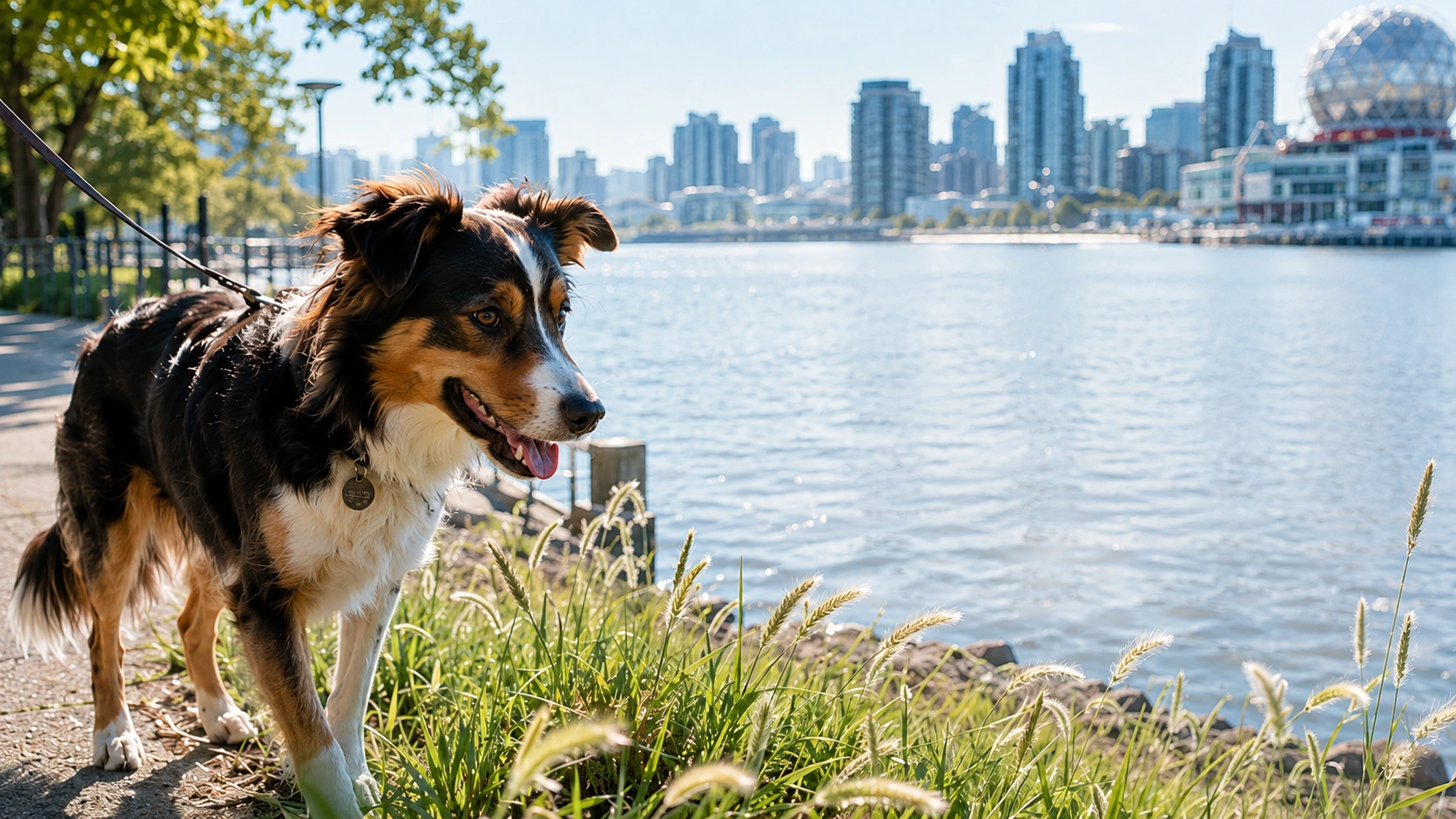
- Genetics — Some breeds are prone to anxiety disorders, including noise aversion. Hunting dogs, such as pointers and setters, are generally less fearful of loud sounds, while herding breeds, such as border collies and Australian shepherds, are more likely to experience distress during noisy events.
- Past experiences — Pets who have had traumatic experiences with loud noises are more likely to develop noise aversion.
- Inadequate noise exposure — Pets who are unaccustomed to loud noises may find fireworks particularly frightening.
What are common signs of noise aversion in pets?
Recognizing early signs of sound-related anxiety is essential, as fear responses often intensify without intervention. Pets experiencing distress from loud noises may show one or more of the following behaviors:
- Panting and drooling — Excessive panting and drooling can indicate that your pet is stressed.
- Pacing and restlessness — If your pet is unable to settle down, they may be feeling anxious.
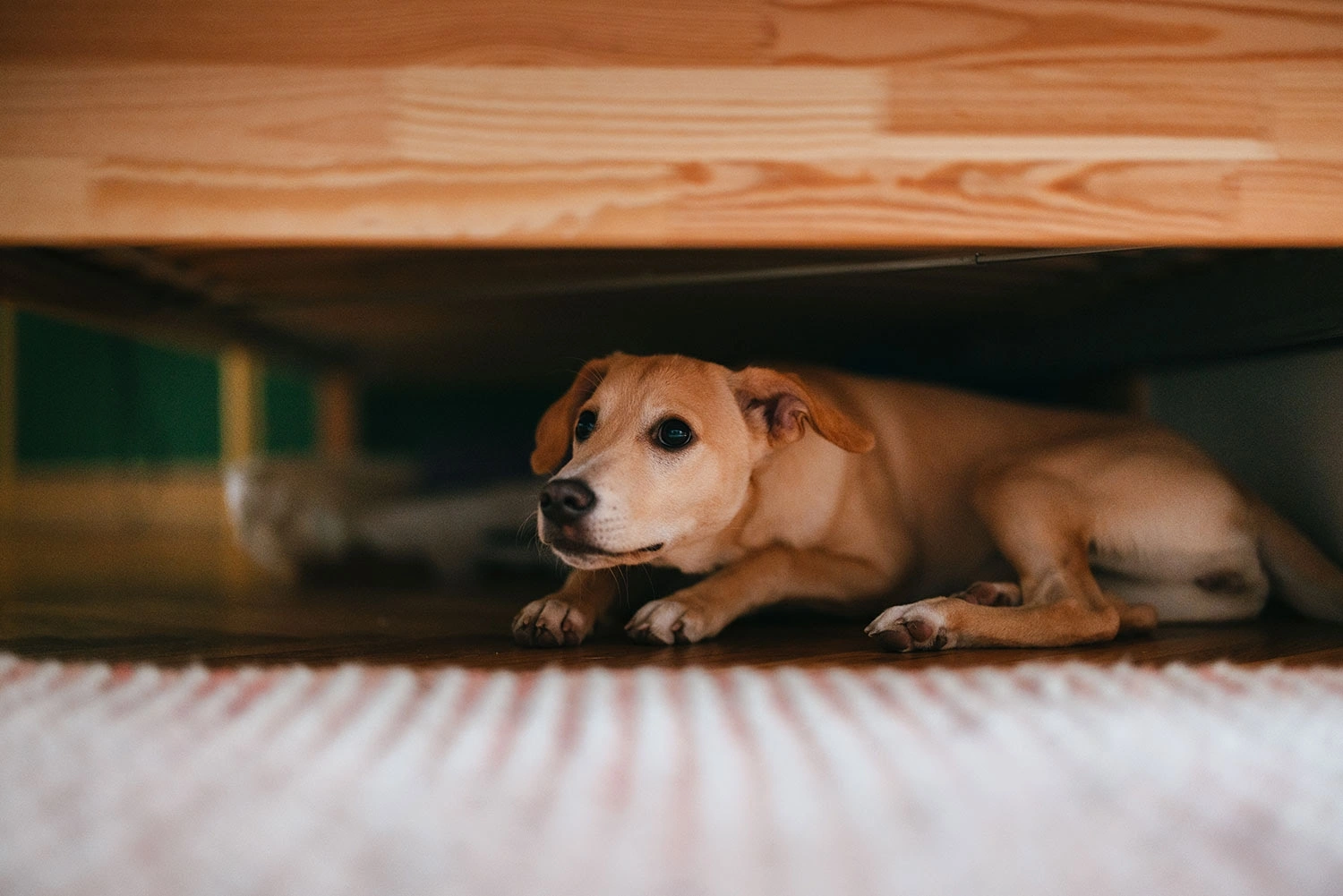
- Hiding or trying to escape — Seeking shelter in unusual places or attempting to escape from the house are clear signs of fear in pets.
- Vocalization — Excessive barking, whining, or meowing can indicate your pet is feeling distressed.
- Destructive behavior — Your pet may chew, dig, or scratch doors and windows to try to escape the perceived threat.
- Inappropriate elimination — Accidents in the house can happen when pets are frightened.
Several strategies are available
How can I help my pet cope with noise aversion?
Here are some strategies you can employ to help your pet cope during loud or unpredictable noise events. Effective methods include:
- Creating a safe space — Designate a quiet, comfortable area in your home where your pet can retreat during noise events. This could be a basement, a bathroom, or any room with few or no windows to muffle noises. Fill the space with your pet’s favorite toys, blankets, and bedding to provide a sense of comfort and security. Providing familiar routines and mental enrichment activities can also help pets feel more secure during stressful situations.
- Soundproofing — Try to reduce the noise level in your home by closing windows and doors, drawing curtains, and playing calming music or white noise. Doing so can help muffle external noise and create a soothing environment.
- Using calming aids — Various products can help calm anxious cats and dogs. Compression wraps apply gentle pressure to certain points on your pet’s body to produce a calming effect, while pheromone diffusers and sprays can help create a relaxing atmosphere.
- Behavioral training — Gradual desensitization to loud sounds can be effective in reducing your pet’s noise aversion. This behavioral modification technique involves exposing your pet to recordings of fireworks or other frightening sounds at a low volume and gradually increasing the volume over time while rewarding calm behavior.
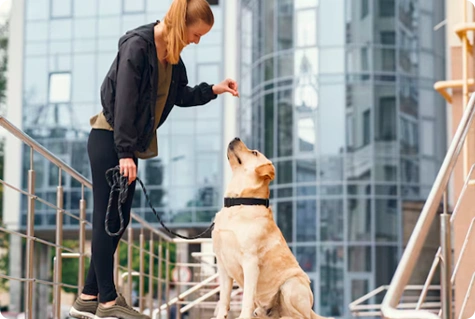
- Staying calm — Pets often pick up on their owner’s emotional state. If you remain calm and composed, your pet is more likely to feel secure. Offer gentle reassurance with petting, praise, and treats, taking care to avoid high-pitched “baby talk” and fast-paced pats that can trigger anxiety.
- Considering medication — Detecting your pet’s subtle noise aversion signs can be challenging, so talk with your veterinarian about any abnormal behavior you notice during loud events. Your veterinarian can guide you on the best course of action to soothe your pet’s distress, possibly prescribing anti-anxiety supplements or medications to combat your furry pal’s fear. Because noise-related anxiety can worsen over time, discussing behavior changes during routine veterinary visits is important for early intervention.
- Preparing in advance — Preparation is key to managing your pet’s noise aversion. Start implementing these strategies well in advance of anticipated noise events. Familiarizing your pet with their safe space and practicing calming techniques can make a significant positive difference when the fireworks begin.
Loud sounds are unavoidable throughout the year, from seasonal storms to neighborhood noise and household activities. For pets with sound sensitivity, these events can be deeply distressing without proper support. Understanding the causes and signs of noise aversion—and taking proactive steps to manage it—can help protect your pet’s emotional and physical well-being.
Source: https://www.aaha.org/resources/safe-and-sound-noise-aversion-in-pets/
Loud, unexpected sounds can be frightening for many pets. Thunderstorms, fireworks, construction noise, or even everyday household sounds can trigger intense fear or anxiety in dogs and cats. For some pets, this response goes beyond temporary unease and develops into noise aversion in pets, a condition that can worsen over time without intervention. Understanding why pets react to loud sounds—and knowing how to help—can make a meaningful difference in their well-being.
Published Jun 20, 2024